
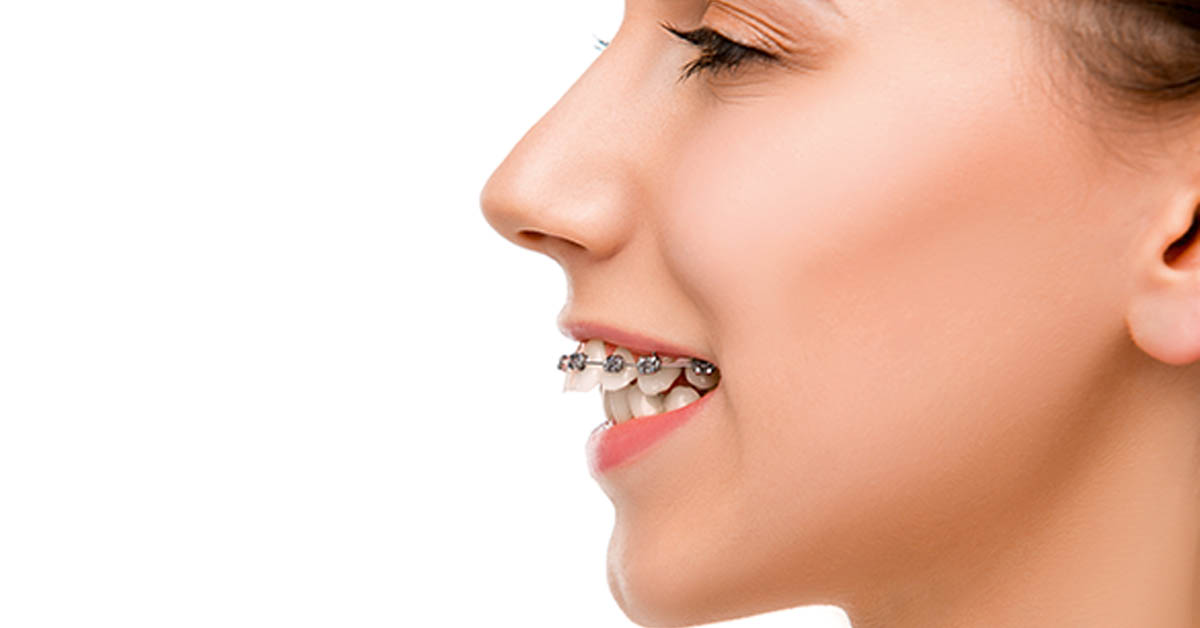
By Dr. Tyler Coles – Premier Orthodontics
Braces fix overbites by moving the upper teeth back and the lower teeth forward until the bite fits together properly. Depending on severity and age, your orthodontist may combine braces with rubber bands, a Herbst appliance, Forsus springs, extractions or, in severe skeletal cases, jaw surgery.
A perfect smile is not just about straight, pearly whites. It’s also about having a well-aligned bite.
But what if your upper teeth stick out beyond your lower teeth more than they should? This dental condition, known as an overbite, can lead to more than just an unattractive smile. From speech problems to gum disease, overbites can significantly impact your overall oral health. Understanding the causes, types, and treatment options for overbites can help you make informed decisions about dental care for you or your child.
In this guide we’ll explore the difference between dental and skeletal overbites, why early intervention often helps, and the treatment options available to correct an overbite.
What Is An Overbite? Definition and Causes
Before we start talking about how to fix overbites, let’s first define what an overbite is.
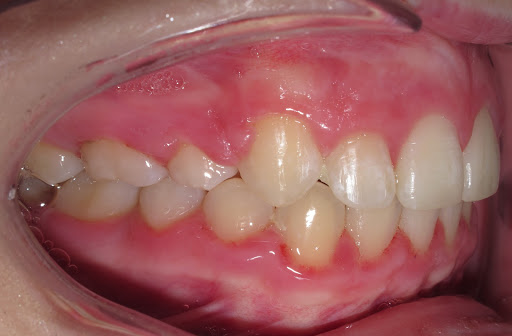
What most people call an overbite, orthodontists actually call “overjet,” which basically means that the top teeth stick out much farther than the bottom teeth.
An overbite is when your upper teeth stick out past your lower teeth. A tiny overbite of 1 to 3 millimeters is pretty normal, but anything more than 3 millimeters and you might need to see an orthodontist. Overbites are common in orthodontics, and the way they’re fixed varies depending on how serious the overbite is and the age of the patient.
Braces are the go-to tool that orthodontists use to tackle overbites. They help get the upper and lower teeth back in line. Whether it’s traditional metal braces or modern clear aligners, orthodontic treatment can really improve your smile and get your teeth working better by fixing an overbite.
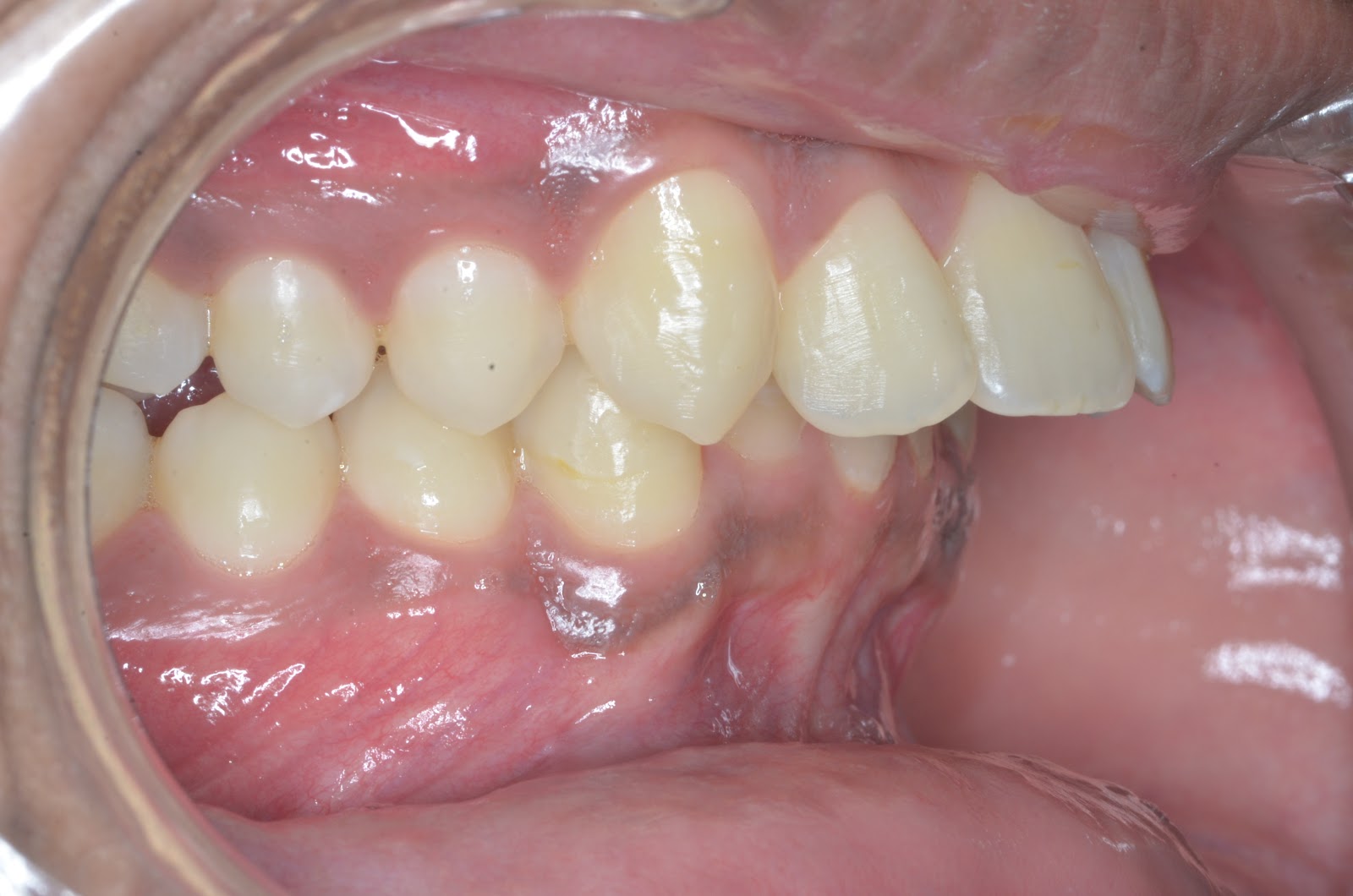
Causes of Overbites
Genetics play a significant role in the development of overbites by impacting the dimensions and form of the jaw and teeth. Habits such as thumb-sucking and tongue thrusting can also contribute. Thumb-sucking can result in an overbite by pushing the upper teeth forward and the lower teeth backward. Tongue thrusting can do the same, and can also cause tooth loss if the tongue is excessively pushing against the teeth.
Pinpointing the root cause of an overbite is key to determining the most beneficial treatment plan. Whether it’s a dental overbite caused by tooth positioning or a skeletal overbite due to jawbone structure, a customized treatment plan can help you achieve a healthy, well-aligned smile.
Types of Overbites: Dental and Skeletal
Overbites fall into two main categories, dental and skeletal. Dental overbites are about how your teeth are positioned. Skeletal overbites come down to the structure of your jawbone. Knowing the difference between the two matters when it comes to picking the right treatment plan.
Dental Overbite
A dental overbite occurs when the upper teeth protrude past the lower teeth. It may be caused by a disruption in dental development, like overcrowding of teeth, the loss of back teeth, or poor oral habits. This type of overbite is primarily a result of tooth positioning, which can be corrected with braces or clear aligners.
The most typical method of rectifying a dental overbite is through braces. Braces will usually be done in combination with one of the following treatment options:
- Rubber bands
- Herbst appliance
- Forsus springs
- Extractions
The time frame for correcting an overbite with braces varies depending on the individual, but more severe cases may take several years to rectify.
Skeletal Overbite
A skeletal overbite is a misalignment that occurs when the jawbone grows in a way it’s not supposed to, causing the teeth and jaws to develop incorrectly. This kind of overbite is about how your jawbones are aligned, and fixing it might require surgery or specialized appliances.
In serious cases of skeletal overbites, the best approach is usually a mix of oral surgery and comprehensive orthodontic treatment. This combination is often recommended for moderate to severe overbites, where braces alone might not be enough to solve the problem. Dealing with a skeletal overbite early can make a real difference in how successful the treatment is.
Signs and Symptoms of Overbites
Individuals with overbites may experience a range of signs and symptoms, including:
- Difficulty chewing
- Speech problems
- Facial pain
- Altered facial appearance
An overbite may also lead to speech problems due to its influence on tongue placement and use.
Addressing an overbite early can help prevent these complications and improve overall oral health. By seeking timely orthodontic treatment, patients can enhance their quality of life and enjoy a confident, well-aligned smile.
Treatment Options for Overbite Correction
There are several treatment options available for overbite correction, each tailored to the specific needs and severity of the overbite. These options include:
- Braces with rubber bands
- Braces with a Herbst appliance
- Braces with Forsus springs
- Braces with extractions
- Braces with jaw surgery
Being aware of the benefits and potential drawbacks of each option is important for making a well-informed decision. In the following sections we’ll explore each treatment in detail.
Fixing Overbites With Braces and Rubber Bands
Braces and rubber bands can be used to correct mild overbites by exerting pressure to move the teeth into their correct alignment. Connecting a rubber band between the upper and lower teeth over time pulls the top teeth back and the bottom teeth forward, gradually correcting the overbite.
Following the orthodontist’s instructions and maintaining good oral hygiene throughout the treatment process is important for optimal results.
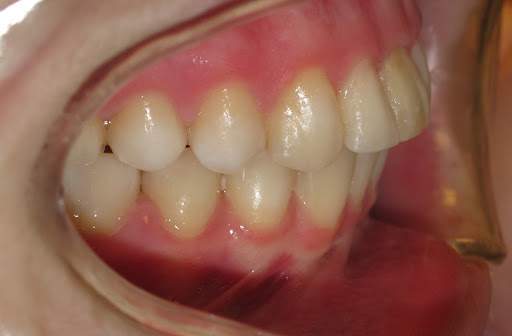
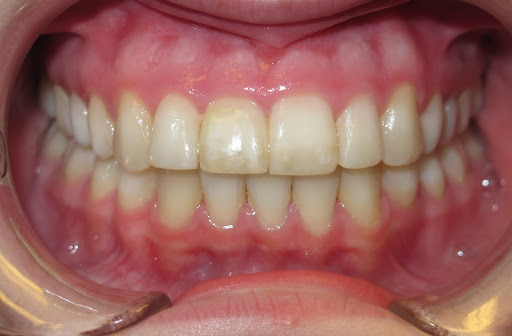
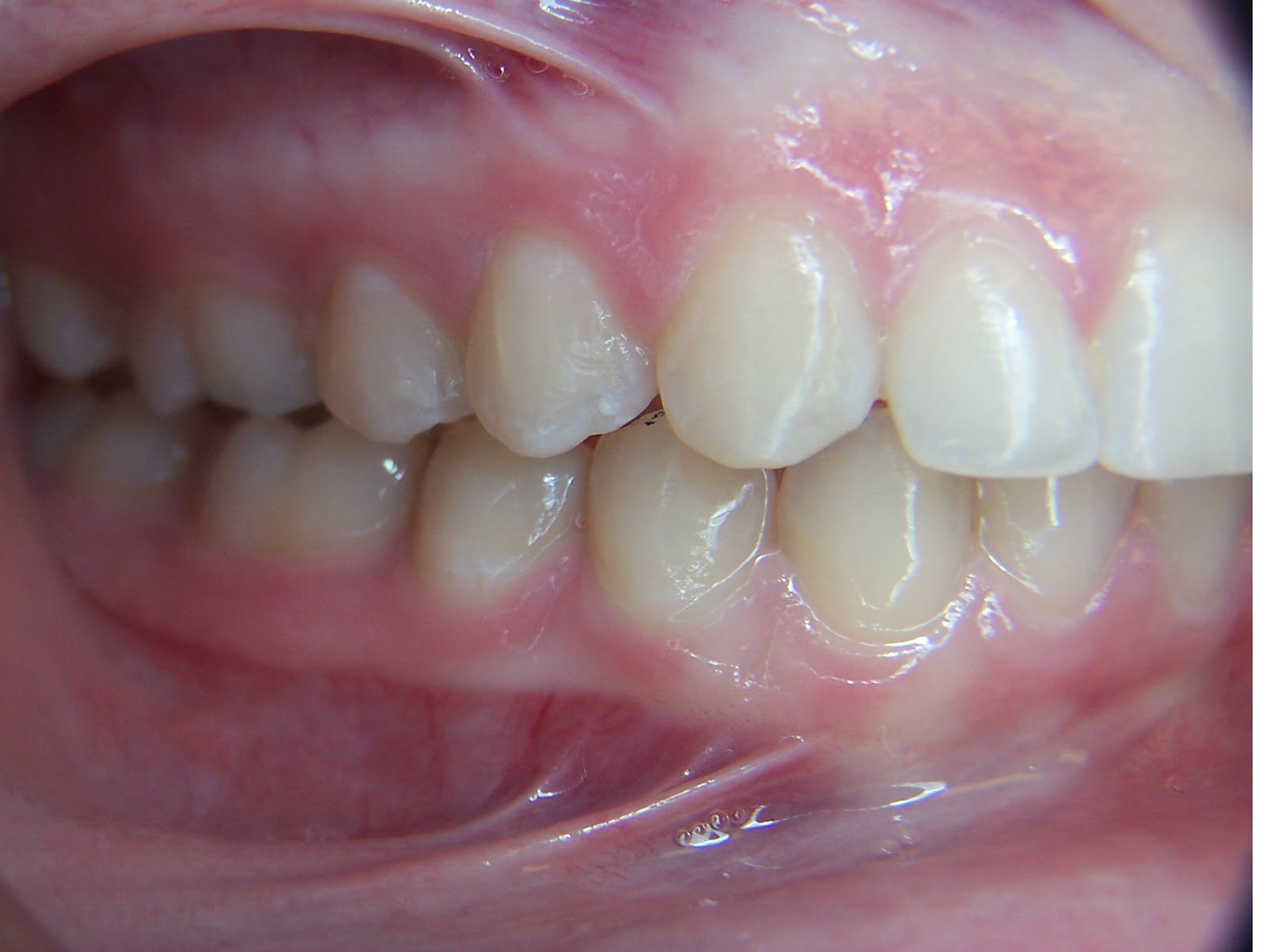
The patient shown in this picture is a good example of a mild overbite. You can see that her top teeth stick out a bit compared to the lower teeth, but overall they look pretty good.

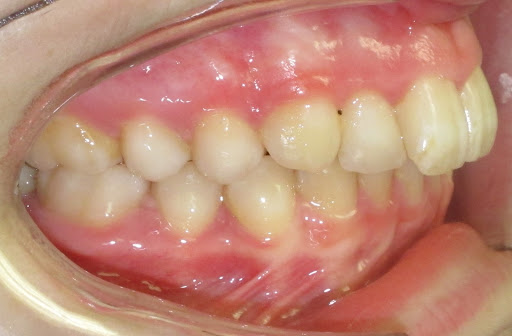
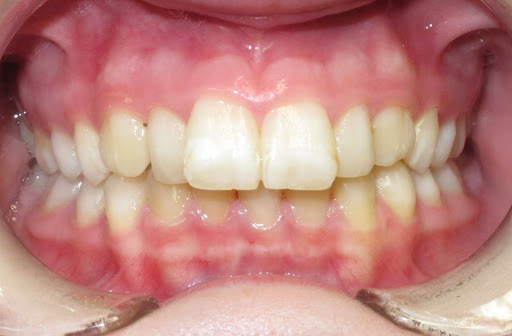
For this type of overbite, a combination of braces and elastics was used to help bring the top teeth back into a better alignment.
As you can see in this video, by connecting a rubber band between the upper and lower teeth, over time the top teeth will be pulled back and the bottom teeth will be pulled forward.
With the patient we showed earlier, you can see that braces with rubber bands helped to fix her overbite and give her a great smile. Check out her before and after overbite photos below.

Fixing Overbites With Braces and a Herbst Appliance
For younger children with moderate to severe overbites, braces and a Herbst appliance can be an effective solution.
The patient shown in this picture is a good example of a younger child with a more severe overbite.

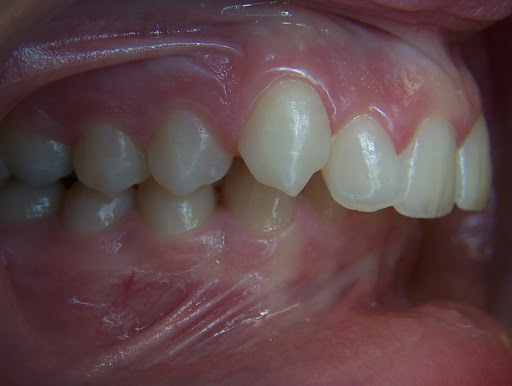
This patient was a great candidate for bite correction using a Herbst appliance. The animation below demonstrates what a Herbst appliance looks like when applied by an orthodontist.
Essentially, this appliance is bonded onto the teeth, and it works by posturing the patient’s lower jaw into a forward position.
When the jaw is held in this forward position for a long enough period of time, the teeth will begin to move in this direction. The best part is that as the child grows, their jaws will move into a more correct position as well.
This appliance is usually placed for about a year, and then is followed by braces.
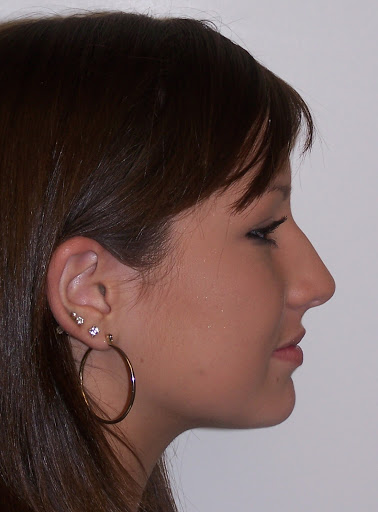
You can see that in the patient we showed earlier, she got her overbite fixed and her profile is much improved.
Fixing Overbites With Braces and Forsus Springs
For older teenagers and adults with moderate overbites, an appliance called Forsus springs is usually recommended. Forsus springs are typically placed after about a year of wearing braces.
This treatment option is especially beneficial for older patients whose jaws have finished growing and may not respond as effectively to a Herbst appliance.
You can see in this video exactly how the appliance works. First, you compress the spring, pushing the bottom teeth forward and the top teeth back. This appliance works very similarly to elastics, but the correction is more predictable and usually leads to more efficient correction.
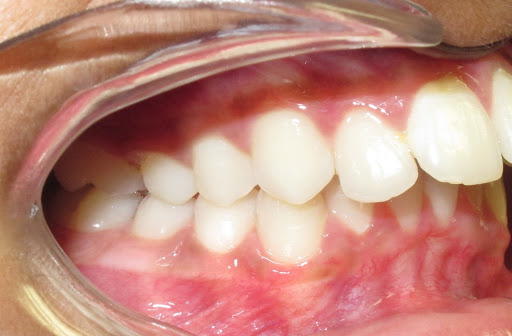
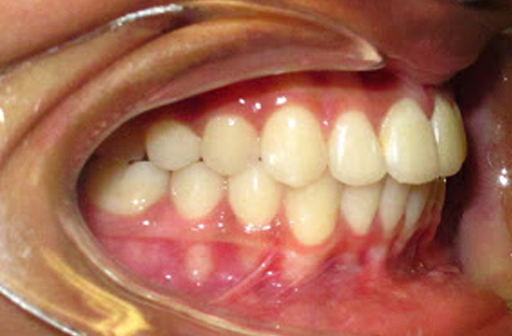
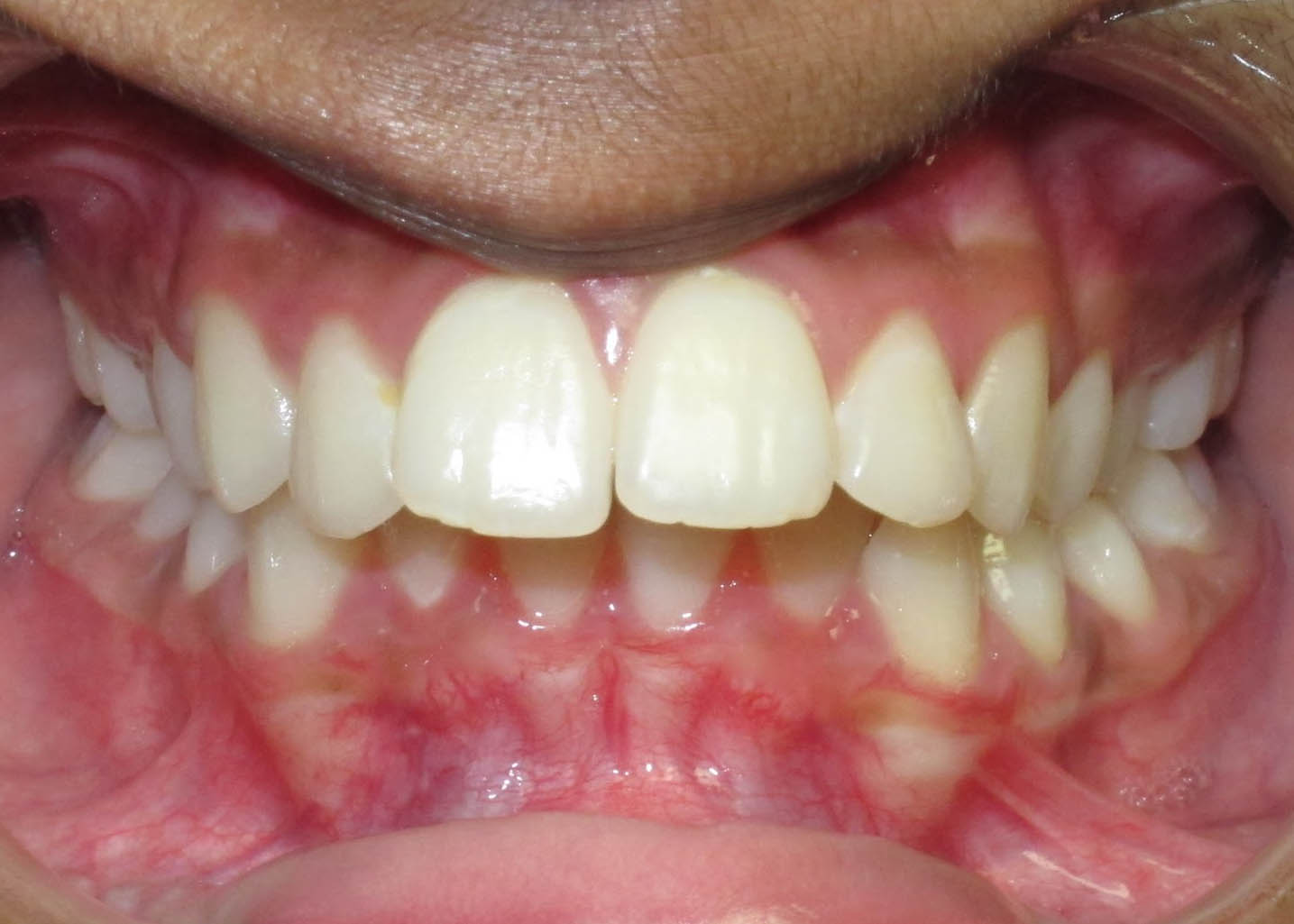
You can see in this patient shown that she was a teenager with a moderate overbite. Braces and Forsus springs were used to get a great result and completely correct her moderate overbite.


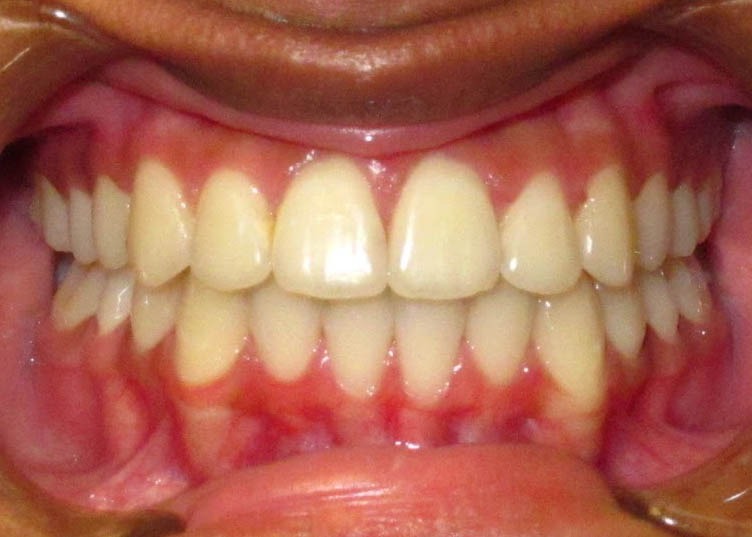
Fixing Overbites With Braces and Extractions
In cases of severe overbite, braces combined with extractions may be necessary to correct the bite. The process usually involves extracting the first bicuspid (or first premolar teeth) and then pulling the front six teeth back into that extraction space.
Once the space is closed, it’s not noticeable that teeth were ever removed, the bite fits together properly, and the overbite should be corrected.
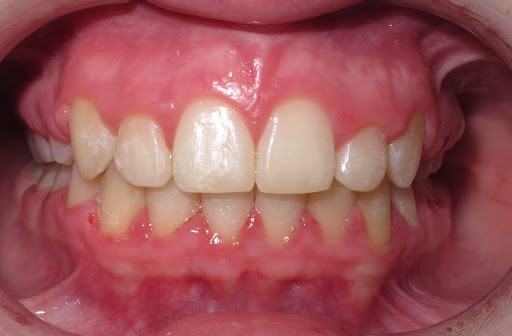
This patient is a good example.
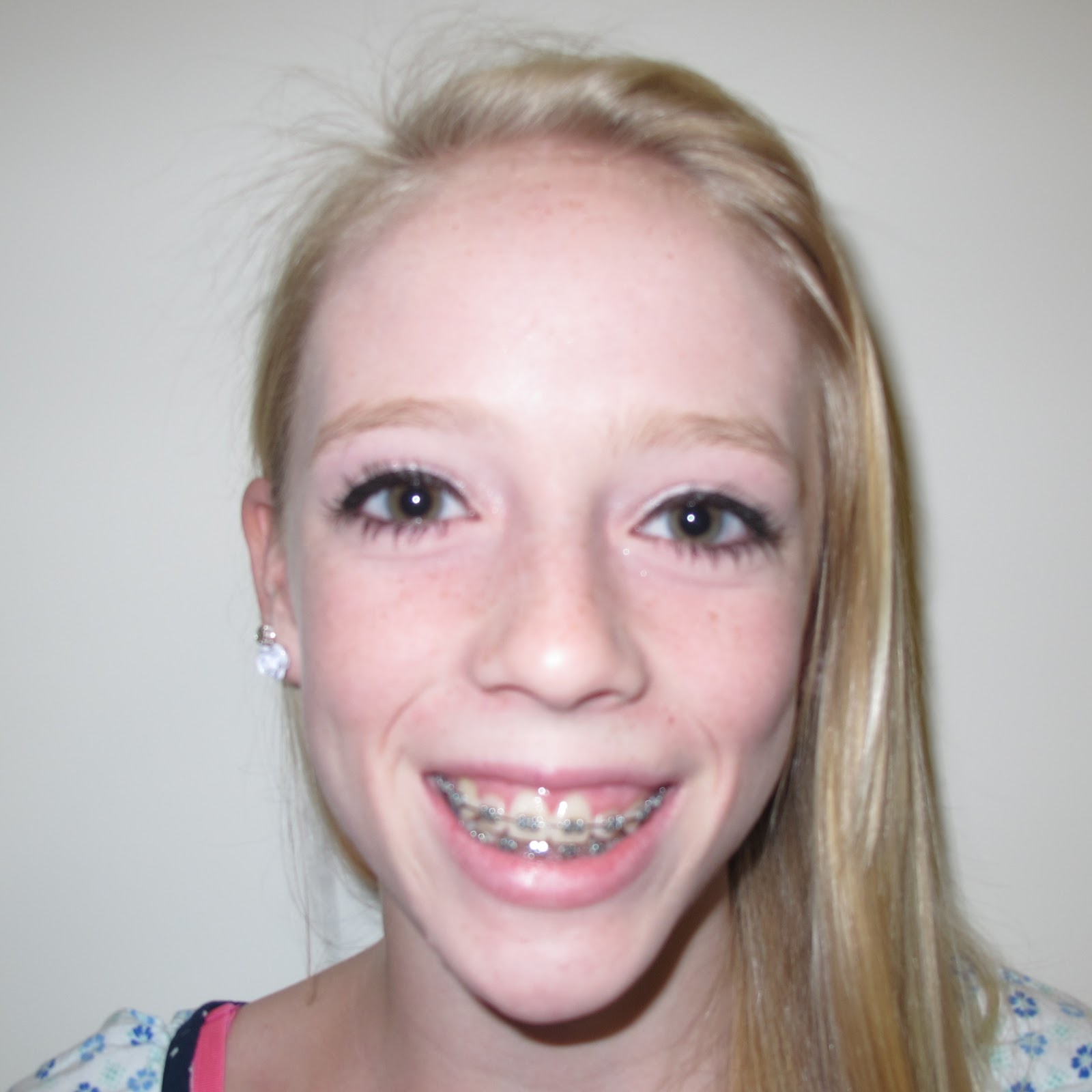
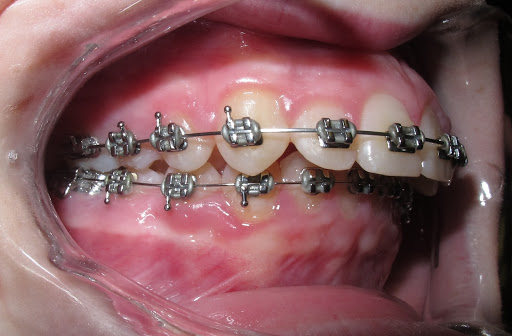
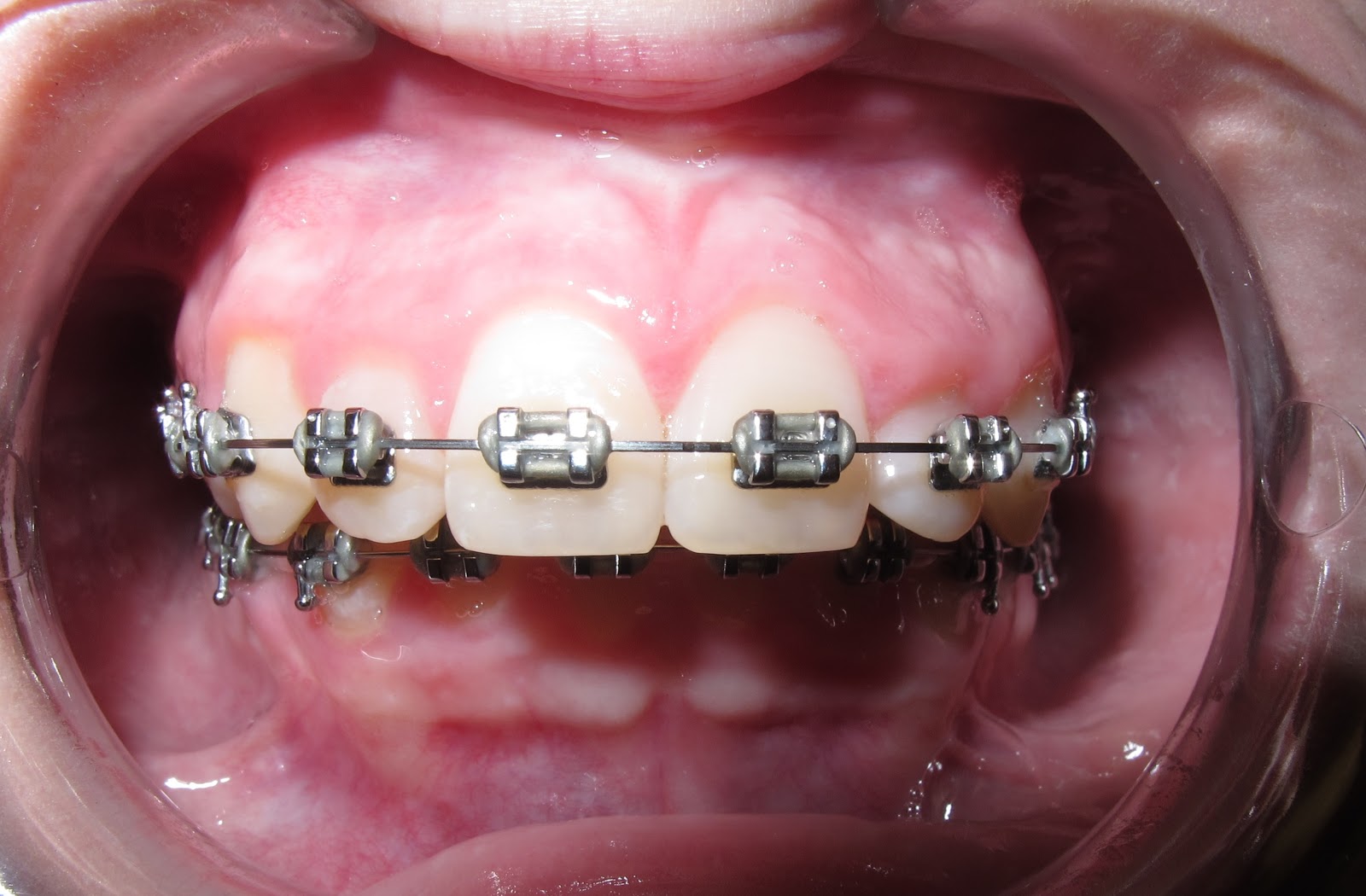
This patient had actually started braces at another orthodontist’s office, and she had been wearing rubber bands with her braces for a couple of years. When she transferred to our office we felt that her overbite was too severe to be fixed with rubber bands alone.
Due to the severity of her bite, we recommended that two permanent teeth get removed or extracted on her upper arch in order to fix her bite.
This short animation will demonstrate how taking out two teeth on the upper arch, and then closing the space, can fix a severe overbite and help reduce the protrusion of the front teeth.
Going back to our patient, she had two teeth on her upper arch extracted. We closed that space by pulling her front teeth back. By the time we were done, she had a beautiful smile, no spaces, and her overbite was completely corrected.

Click below to watch our video on the entire process of fixing overbites with braces.
Fixing Overbites With Braces and Jaw Surgery
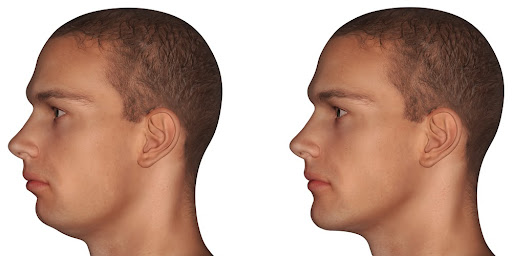
For severe skeletal overbites that cannot be corrected with braces alone, a combination of braces and jaw surgery may be necessary. Braces are used to arrange the teeth and ready them for surgery, while orthognathic surgery repositions the jaw and corrects the overbite.
Watch the animation below to see how orthognathic surgery can help fix overbites.
This approach is usually suggested for severe overbites, where traditional orthodontic treatments may not be sufficient to correct the underlying issue. By combining braces and jaw surgery, patients can achieve a healthy, well-aligned bite and a significant improvement in their facial appearance.
For more details about orthognathic surgery watch the video below.
The Importance of Early Intervention and Timely Treatment
Early intervention and prompt treatment of overbites can prevent complications and enhance overall oral health. Starting orthodontic treatment for an overbite can improve issues such as headaches, migraines, and jaw pain. Optimal bite positions have also been associated with better sleep, easier digestion, increased self-esteem, and a general improvement in overall wellbeing.
For children, early intervention with treatments such as a palate expander can help accommodate crowded teeth in a jaw of limited size and set the stage for successful orthodontic treatment later in life. By addressing overbites early, patients can prevent more severe issues from developing.
Post-Treatment Care and Maintenance
Once overbite correction is complete, post-treatment care becomes vital for preserving the results and preventing relapse. Retainers are used to sustain the outcome of overbite treatment and guard against the overbite reoccurring.
By following your orthodontist’s instructions for post-treatment care, including proper oral hygiene and regular dental check-ups, you can keep your teeth healthy, well-aligned and beautiful for years to come.
Potential Complications of Untreated Overbites
Leaving an overbite untreated can result in a host of complications that may impact your overall oral health and quality of life. Potential consequences include:
- Tooth damage
- Jaw pain
- Speech impediments
- Self-esteem issues
Untreated overbites can also lead to more severe issues, such as:
- Premature aging
- Facial wrinkles
- Headaches
- Jaw tension
- Neck stress
- Poor posture
- Small appearing chins
- Slurred speech
- Lower teeth emerging into the upper palate
Addressing an overbite early and seeking timely orthodontic treatment can help prevent these complications, improve overall oral health, and restore confidence in your smile.
How Can I Tell if I or My Child Needs Braces to Fix an Overbite?
If you think you or your child may need braces to correct an overbite, the best place to start is by getting a free consultation with an orthodontist in your area.
Getting Braces in Phoenix, Chandler, Glendale, Casa Grande and Maricopa
Premier Orthodontics has five locations providing braces and Invisalign in Phoenix, Chandler, Glendale, Casa Grande and Maricopa as well as the surrounding areas.
Schedule your free consultation for braces or Invisalign with one of our orthodontists.